
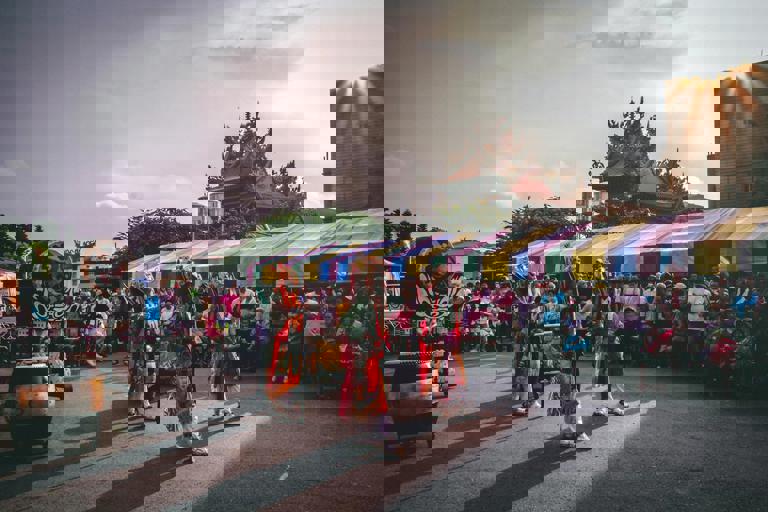
The city streets came alive this weekend as the long-awaited Interactive Street Music Festival unfolded, inviting amateur musicians of all genres to take the stage under open skies. Organizers sought to create an inclusive event where music enthusiasts, regardless of age or experience, could enjoy performing for eager audiences. The festival aimed to dissolve the barrier between performer and listener, blurring the boundaries with dynamic, spontaneous participation.
Hundreds of participants flocked to specially designated outdoor stages, spanning major boulevards and bustling plazas. From acoustic guitarists crooning heartfelt singalongs to energetic brass ensembles filling the air with soulful jazz, the streets vibrated with diverse sounds. According to festival director Amir Rahman, “Our goal was to give everyone a chance to showcase their talent, whether they’re seasoned buskers or first-time performers.”
One of the festival's unique features was its open mic segment, which encouraged attendees to register on the spot and claim brief slots throughout the day. This element fostered a welcoming environment where new voices were discovered, and hidden talents brought out into the public eye. Notably, several young musicians from local schools wowed the crowd, drawing praise from passersby and music educators alike.
Buskers, who usually perform solo or in pairs for pocket change, found themselves sharing stages with small ensembles and even spontaneous choirs formed on the fly. Lisa Ng, a violinist who has been busking for two years, shared her excitement: “The festival makes us feel valued, like what we do belongs to the city’s cultural heartbeat.” Collaborations between artists who had never met before also led to once-in-a-lifetime musical moments.
Spectators were treated to an eclectic blend of genres, from Malay folk tunes and energetic rock covers to serene classical pieces echoing through the streets. Food stalls and artisan markets sprouted alongside performance areas, enhancing the festival atmosphere and drawing families, friends, and music lovers out to explore. Many commented on the celebratory mood, with children dancing and locals lingering long after a performance wrapped up.
Interactive workshops held in pop-up tents provided opportunities for festival-goers to learn percussion, beatboxing, and harmony singing. These sessions, led by professional musicians, demystified the art of music-making and encouraged even the shyest attendees to try an instrument or stretch their vocal cords. According to workshop leader Sofie Abdullah, “It’s about empowering people to realize music is for all, not just the trained or the famous.”
Organizers placed a strong emphasis on accessibility, deliberately choosing pedestrian-friendly locations for their stages. Public transportation schedules were extended to accommodate late-night attendees, and all festival venues were made wheelchair accessible. “We wanted every member of the community to feel welcome—music has the power to unite, and accessibility is key to that unity,” stressed logistics coordinator Razif Khalid.
Safety was carefully considered, with volunteer marshals working hand-in-hand with local authorities to manage crowds and traffic. Medical tents and information booths dotted the festival map, ensuring help was always close by. The organizers implemented environmentally friendly policies, encouraging performers and audiences to use reusable water bottles and recycle waste, seeking to reduce the festival’s environmental impact while setting a standard for future events.
Many attendees found themselves drawn into performances as impromptu backing singers or percussionists, breaking down the traditional musician-audience divide. Festival-goer Julia Tan described joining a drum circle unexpectedly: “It was such a joyful feeling—strangers became friends within minutes, united by rhythm. This festival really brings out the best in the city’s spirit and energy.”
Social media played a significant role in amplifying the festival’s reach, with event hashtags trending throughout the weekend. Short video clips of performances and crowd reactions spread rapidly on platforms like Instagram and TikTok, sparking a wider conversation about the role of public space in cultural life. Organizers noted that this digital engagement has already sparked interest from musicians and fans hoping for a sequel next year.
According to preliminary figures released by city officials, the Interactive Street Music Festival attracted more than 20,000 visitors over three days. Local businesses reported a noticeable uptick in sales, with cafes and shops near major stages experiencing a steady flow of customers. The festival demonstrated how creative use of public spaces can boost community well-being as well as the local economy.
Looking ahead, both organizers and participants expressed hope that the Interactive Street Music Festival would become an annual tradition, further establishing the city as a hub for grassroots music and cultural innovation. With its open invitation for anyone to join and express themselves, the festival sets a shining example of how collaborative, community-centered events can enrich urban life and inspire a new generation of musicians.