
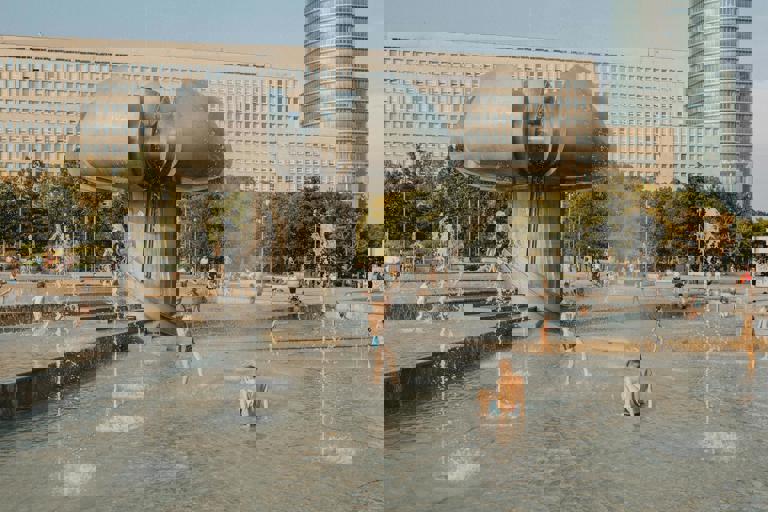
The heart of the city recently welcomed a striking new addition to its public spaces—an ambitious kinetic art installation that has quickly become the talk of the town. Titled "Winds of Change," the temporary piece blends artistry and engineering to create a dynamic visual spectacle. The structure responds to wind and physical movement, inviting visitors to interact directly, thereby blurring the line between observer and participant.
Unlike traditional static art pieces, "Winds of Change" derives its energy from the very elements within the park. Constructed from lightweight, weather-resistant materials, the installation features arrays of spinning panels and reflective surfaces. As breezes pass through, the various arms and shapes shift and shimmer, turning the sculpture into an ever-evolving canvas. This innovative design encourages continuous engagement from those passing by.
According to the artist, Marianne Tay, the intent was to reimagine how urban dwellers relate to the outdoors. "I wanted to create something that responds to the environment, not just visually but also through touch and sound," Tay explained during the unveiling. Her background in kinetic sculpture and community engagement influenced every aspect of the project, from materials to placement within the park.
Local families and park-goers have been especially drawn to the interactive aspects of the installation. Children can be seen running beneath the moving parts, while adults pause to push and spin smaller components. Many visitors say the artwork inspires them to linger longer, turning what might be a routine visit into a sensory-rich outing that stimulates both conversation and curiosity.
Beyond its immediate visual impact, the installation aims to provoke deeper questions about public space usage. Discussions have arisen around how art can transform communal areas, promoting inclusivity and shared experiences. "Art isn’t just for galleries," remarked Faris Ahmad, a visitor and amateur photographer. "Installations like this make everyone part of the creative process, not just passive viewers."
The city council, which commissioned the piece in partnership with a local art collective, expressed optimism about the project’s influence on urban culture. “We wanted to experiment with how public art can actively engage citizens,” said council member Aida Lim. Lim emphasized the importance of such initiatives in fostering community ties and introducing unexpected moments of delight into daily routines.
Cultural experts note that kinetic installations particularly resonate in climates like Malaysia’s, where variable winds and frequent visitors create constant movement in public parks. Dr. Norizan Kasim, a lecturer in visual arts, commented, "Kinetic art thrives on interaction, both with nature and with people. It reflects the vibrant rhythms of urban life and adaptiveness in our community."
The temporary nature of the artwork has also sparked conversations about the impermanence of art and the value of shared, fleeting moments. Scheduled to remain on display for three months, the installation is expected to attract diverse audiences—from art students studying form and movement to joggers who take a spontaneous detour to admire its mechanics.
Organizers report that engagement levels have exceeded expectations. Visitor numbers to the park have increased by an estimated 20 percent since the unveiling, based on data from park authorities. Social media posts featuring the installation have proliferated, with many tagging the piece as a “must-see” city highlight. Local businesses nearby have also noted a positive uptick in foot traffic.
Educational programs have been launched in tandem with the installation, offering guided tours and creative workshops. Schoolchildren attend sessions where they learn about kinetic art and construct miniature wind-powered sculptures to take home. These activities not only foster artistic appreciation but also build environmental awareness, illustrating how renewable energy can power inspiration as well as everyday life.
For many residents, the art piece has provided a much-needed avenue for relaxation and reflection amid bustling city life. The kinetic sculpture’s mesmerizing movements serve as a reminder to slow down, appreciate the present, and engage more intentionally with one's surroundings. “It’s a wonderful escape from the digital world,” shared Azlan Rahman, a regular park visitor.
As the exhibition continues to draw crowds, its legacy may ripple far beyond its tenure. City officials and artists involved hope "Winds of Change" will pave the way for future public art projects that challenge perceptions and promote community dialogue. Ultimately, the installation’s success underscores the power of unexpected creativity to reshape how residents experience—and reimagine—their shared outdoor spaces.