
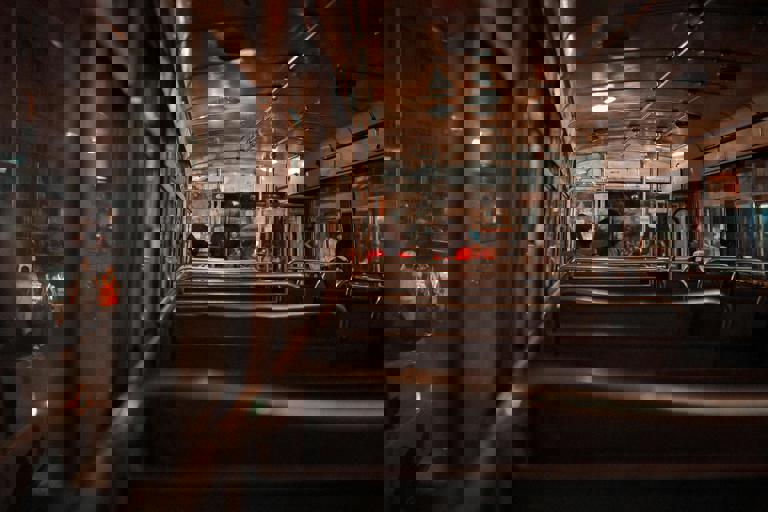
City bus services have recently been scaled back, particularly affecting late-night operations, causing significant disruption for public transport users. As part of a cost-cutting initiative, operators have reduced frequencies and even eliminated some routes after 10 PM, leaving many who rely on buses for late shifts or nocturnal errands frustrated. Daily commuters are now finding themselves stranded or forced to seek alternative, often more expensive, means of transportation late at night.
Public outcry has escalated since the changes were implemented, with angry commuters voicing their dissatisfaction. Maria Nor, a hospital worker, described her new challenges: “My shift ends at 11 PM, and there used to be a bus every 30 minutes. Now, I sometimes wait over an hour, or worse, there is no bus at all.” Such testimonials are becoming increasingly common across the city.
According to data released by the local transit authority, ridership on late-night routes had dipped by nearly 18% over the past year. Officials justify the cuts by pointing to operational losses and low occupancy rates during non-peak hours. “We must optimize resources where demand is strongest,” explained Ahmad Faizal, a city transport spokesperson. “Maintaining empty buses is simply not sustainable in the current economic environment.”
However, critics argue that these measures disproportionately impact lower-income individuals, service industry workers, and students who cannot afford other modes of transport like taxis or ride-hailing services. Many suggest that public transportation should be viewed not merely as a business but as an essential public utility. The reduction in services has prompted debates over the city’s responsibility to ensure equitable mobility for everyone.
Businesses operating late into the night are feeling the ripple effects as well. Restaurant owner Lim Wei Jin shared, “Several of my employees depend on the bus to get home safely after closing. With fewer buses, they are forced to leave early or spend more on transport, which affects my ability to staff late-night shifts.” Local business associations have begun petitioning for at least partial restoration of some routes to support the late-night economy.
Safety concerns are another pressing issue with the reduction in late-night buses. Some residents now report risky arrangements such as trying to walk home along poorly lit roads or waiting long periods at deserted bus stops. Nur Hidayah, a student returning from evening classes, noted that the uncertainty around bus schedules has made her question her evening plans. “It’s uncomfortable to be out late not knowing if you’ll get home,” she said.
The city council, recognizing the rising community backlash, announced plans to review the impact of these recent service cuts. An upcoming town hall meeting, scheduled for next week, will give commuters, workers, and business owners a formal platform to voice concerns. In the meantime, advocacy groups are urging authorities to conduct a thorough needs assessment before implementing further changes that could harm vulnerable populations.
While transit officials insist that the adjustments are temporary and subject to ongoing evaluation, skepticism remains high among those affected. Many commuters are calling for transparent communication and more creative solutions, such as smaller late-night shuttles or partnerships with ride-sharing companies at subsidized rates. As discussions continue, the future of accessible, late-night public transportation hangs in the balance, with many awaiting a resolution that better balances fiscal prudence and social responsibility.