
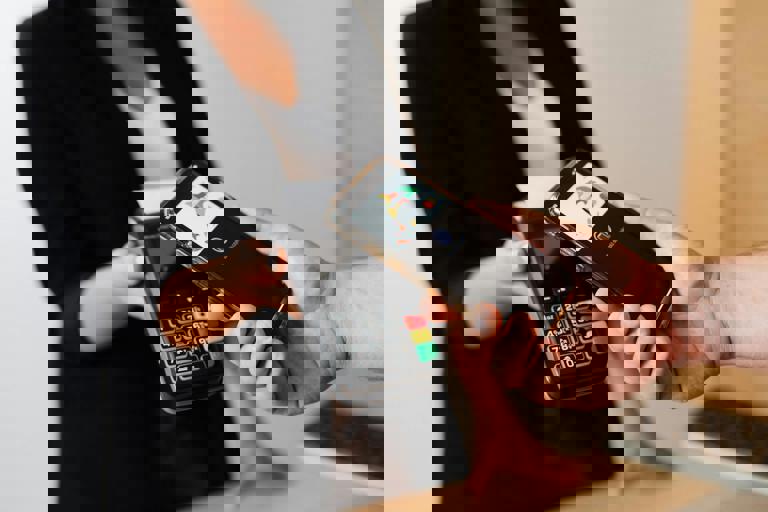
Supermarkets across the country are preparing for a significant technological transformation as self-checkout kiosks are poised to replace traditional cashier roles. This major rollout has been years in the making, with retailers citing the need for efficiency, cost savings, and an enhanced customer experience as primary motivators. Industry leaders say the shift marks a pivotal stage in retail innovation, aiming to deliver quicker, more seamless checkout processes for shoppers.
According to the Malaysia Retail Chain Association (MRCA), the move towards automation is already underway, with pilot programs showing mixed results. Some outlets have reported reduced queuing times and greater flexibility for customers who prefer to handle their transactions independently. However, the technology has not been universally praised, with concerns regarding job displacement and difficulties faced by less tech-savvy patrons. The association predicts that self-checkout kiosks will become standard within the next three years.
Retail employment is expected to be one of the sectors most affected by this technological shift. Industry analysts estimate that several hundred cashier positions could be lost in the short term as major chains streamline their operations. While some retailers offer retraining programs, many workers are uncertain about their future roles. "We are committed to upskilling our employees," said an executive at a leading supermarket, adding that efforts are underway to transition affected staff into other areas such as customer service and in-store support.
Despite the looming threat to jobs, supporters of self-checkout technology argue that automation will ultimately create new employment opportunities. This perspective is echoed by tech industry consultants who believe the rise of kiosks will increase demand for IT professionals, maintenance technicians, and customer service ambassadors specializing in digital assistance. As retailers modernize, those with skills in technology and customer engagement may find new career paths emerging within the sector.
Customers’ reactions to the rollout have been varied. Many younger patrons and frequent shoppers appreciate the speed and convenience offered by self-checkout systems. In contrast, older customers and those unfamiliar with digital interfaces express frustration over the lack of personal interaction and occasional technical glitches. "It’s convenient, but I miss talking to the cashiers," shared one regular supermarket visitor, reflecting a common sentiment among those wary of change.
Retailers are well aware of these divides and are taking steps to accommodate different customer preferences. Most supermarket chains plan to maintain a limited number of traditional cashier lanes, at least for now, to serve elderly shoppers and those needing extra assistance. Additionally, staff will be stationed at self-checkout zones to help resolve issues, answer questions, and ensure transactions proceed smoothly, especially during the busy transition period.
The shift to self-checkout kiosks also raises important questions about data privacy and transaction security. As these systems record purchasing patterns and payment details, retailers must invest in robust cybersecurity measures and transparent data handling policies. Experts warn that any breaches or misuse of consumer data could erode trust and lead to regulatory scrutiny. In response, many supermarket executives are emphasizing their commitment to customer privacy and adhering strictly to local data protection laws.
Looking ahead, the retail sector’s technological transformation is set to redefine not only how Malaysians shop but also how retailers structure their workforce and operations. The ability to balance innovation with social responsibility will be critical as supermarkets forge a new era of customer service. Observers agree that while the transition brings challenges, it also opens doors for growth and adaptation in a rapidly changing business landscape. The full impact of this technological evolution will become clearer in the years to come.