
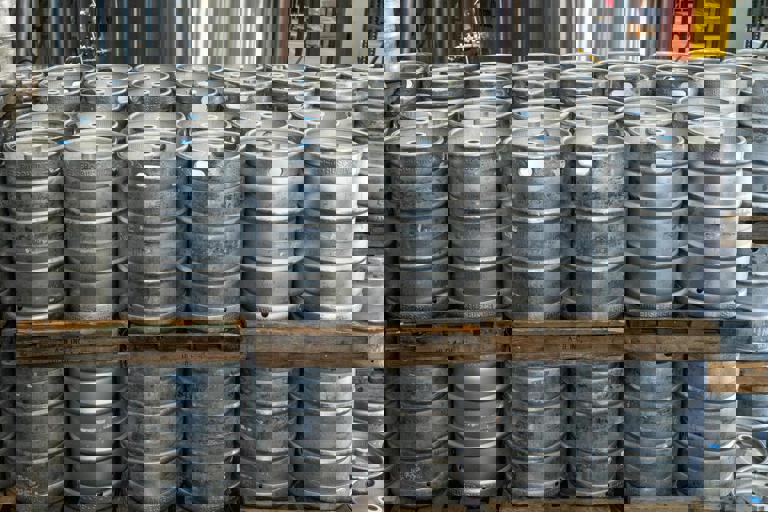
A once-local microbrewery has achieved a significant milestone by breaking into international markets, reporting a remarkable 40 percent boost in its export volumes this year. This leap arrives after years of focusing solely on the domestic beverage market, where success was largely dictated by local preferences and regulations. The brewery’s newfound international presence not only signifies its own achievement but also marks a pivotal moment for Malaysia’s beverage industry as a whole.
Founded a decade ago in a small industrial unit, the microbrewery began with just three employees and a modest dream: to introduce craft beer with distinct Malaysian flavors. Over time, it carved a niche for itself among local aficionados, experimenting with ingredients such as pandan, lemongrass, and even tropical fruits. The company’s dedication to quality and innovation caught the eye of international distributors, paving the way for global expansion opportunities.
According to Tan Wei Ming, the brewery’s managing director, the interest from abroad began as a trickle but quickly swelled into substantial orders. “We started participating in international trade expos three years ago,” Tan explained. “Initially, it was about exposure, but foreign buyers became seriously interested when they tasted our unique blends.” New contracts have been signed with distributors in Japan, South Korea, and several European countries.
Industry analysts note that the brewery’s international contracts are a game-changer for Malaysia’s small but growing craft beer sector. While Malaysia is better known for its palm oil and electronics industries, the beverage industry has progressively matured, despite facing strict domestic regulations on alcohol. Analysts believe that successful forays like this could encourage other local producers to explore export potential, strengthening the sector’s global standing.
Export figures from the Ministry of International Trade and Industry reveal that beverage exports have grown steadily over the last five years. However, the microbrewery’s 40 percent surge in exports this year considerably outpaces broader industry trends. This sharp rise demonstrates not only the popularity of its innovative products overseas but also the effectiveness of targeted marketing efforts and collaboration with international partners.
The microbrewery credits its success to a combination of adaptability, stringent quality control, and responsiveness to global trends. When international buyers expressed interest in low-alcohol and non-alcoholic variants, the brewery was quick to reformulate some of its bestsellers. “Staying agile is crucial in today’s competitive landscape,” said head brewer Aisha Karim. “We don’t just export what we have—we listen, adapt, and innovate constantly.”
Notably, the brewery’s products have been featured in major international food and beverage fairs, where they received positive reviews from critics. A recent tasting event at a trade show in Berlin garnered media attention and led to a feature in a renowned European industry magazine. Such exposure has not only boosted brand recognition but also opened doors for further expansion in untapped markets across Europe and Asia.
From a business perspective, the brewery’s international contracts have required strategic scaling of operations and workforce. Additional staff were hired in both production and logistics, and the company invested in advanced brewing equipment to meet export demands. “We view this growth as more than just increased sales,” noted operations manager Siti Hanafi. “It’s about building a sustainable export pipeline and raising the profile of Malaysian craft beverages globally.”
Economic experts state that this success story reflects broader trends in Malaysia’s export sector, where innovation and niche offerings increasingly pave the way for global competitiveness. Dr. Lim Kok Wai, an economist from Universiti Malaya, noted, “Diversification beyond traditional export products is vital. This microbrewery’s accomplishment demonstrates how local entrepreneurs can leverage cultural uniqueness to capture international attention.”
The brewery’s journey also sets an example for other small-to-medium enterprises (SMEs) in Malaysia aiming to venture beyond local borders. Organizations such as the Malaysia External Trade Development Corporation (MATRADE) have hailed the company’s progress, citing it as proof that strategic branding, quality assurance, and market adaptation are key ingredients in achieving export success.
As the microbrewery prepares to fulfill its latest round of overseas orders, its management remains cautiously optimistic. Plans are underway to develop new product lines tailored to regional tastes and to expand further into international markets next year. Their achievement is not just a win for their company but also shines a spotlight on the possibilities for Malaysia’s homegrown brands in the highly competitive global beverage industry.